How to Dry Out a Flooded Basement, and When to Call a Restoration Company
Here's how to dry out a flooded basement: make it safe, work out what kind of water it is, get the water out, pull out everything porous that soaked it up, then dry what's left with dehumidifiers and moving air until the floor and the bottom of the walls test dry. Move fast. The EPA puts the window at 24 to 48 hours: dry wet items within it and, in most cases, mold won't grow. If the water came up through a floor drain or a toilet, or in from the street, treat it as contaminated: it gets cleaned and disinfected before any drying starts.
GlobePro Restoration is a 24/7 restoration company based in Brooklyn. If the job is bigger than you can handle, call (929) 969-2534.
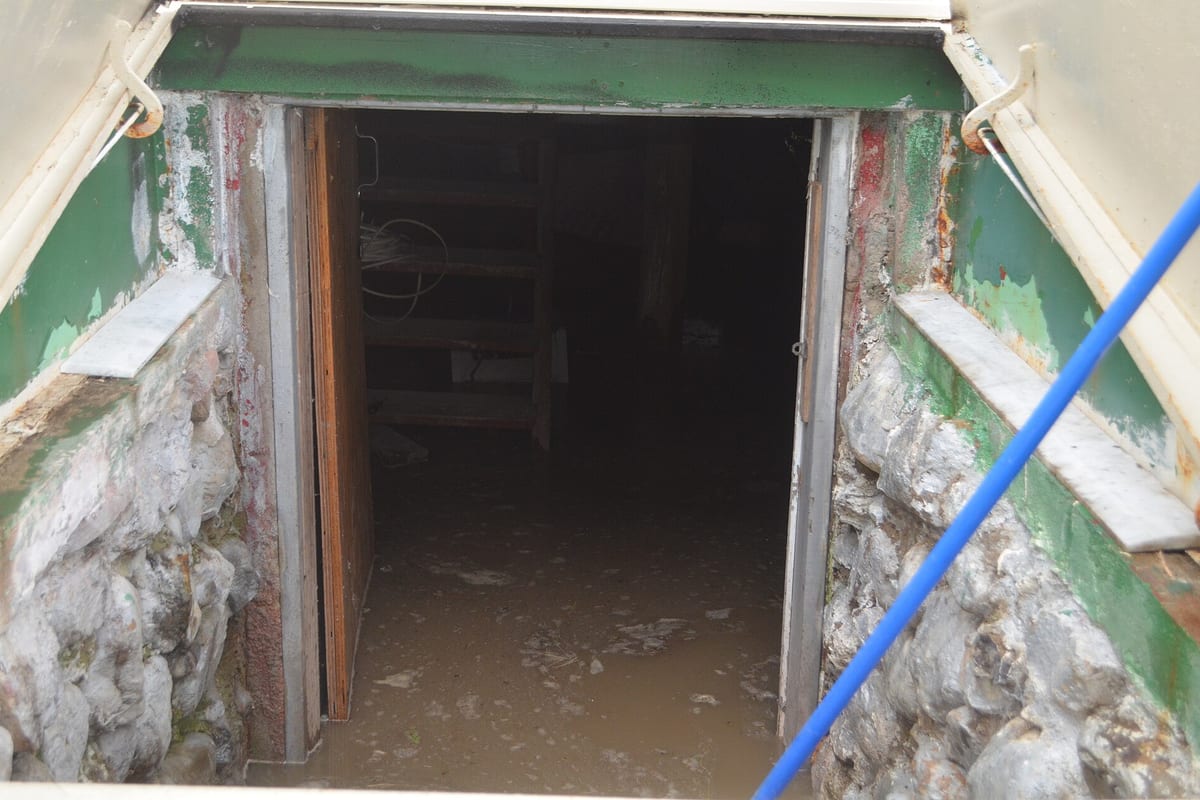
A basement after a flash flood in upstate New York, July 2017. Photo: B137, CC0, via Wikimedia Commons.

Step 1: Make the basement safe
Nothing in a basement is worth a shock or a drowning.
- Electricity first. Stay out of water that may be touching outlets, extension cords, appliances or the electrical panel. If the panel is down there, have your utility or an electrician cut the power; don't wade to it. The city's flood clean-up guide also says not to run electrical equipment near standing water.
- Gas. If you smell gas, get out and call 911 from outside.
- Rising water. If water is still coming in during a storm, go upstairs and stay there. Belongings can be replaced.
- Engines outside. A gas-powered pump or generator belongs outdoors, well away from windows and doors, never in the basement or an attached garage.
- Gear. The city's guide calls for rubber boots, waterproof gloves and goggles.
Step 2: Work out what kind of water you have
The restoration industry's IICRC S500 standard sorts water into three categories, and the category decides how the job is done.
- Category 1 comes from a clean source, such as a burst supply pipe.
- Category 2 carries significant contamination, such as discharge from a washing machine or dishwasher.
- Category 3 is grossly contaminated. The standard's examples can include sewage, waste-line backflow from beyond a trap, flooding from seawater and rising water from rivers or streams.
Two details matter in a basement. First, the standard says time and temperature can change the category, so clean water left sitting in a warm basement may not stay clean. Second, the standard's consensus body said in a March 2026 statement that rain and other weather water isn't Category 3 by default; the test is whether it's actually grossly contaminated.
In New York City, contaminated basement water often comes from the sewer itself. DEP says that when a sewer backs up, the water usually comes into basements through plumbing fixtures such as floor drains. If water rose out of a floor drain, toilet or tub, report it to 311. The complaint type is Sewer Backup for owners and Sewage Leak or Odor Indoors for tenants, and DEP says it inspects within six hours, though heavy rain or snowmelt can delay that.
For Category 2 or 3 water, the standard puts cleanup before drying, and the EPA wants fans kept off until the water is known to be clean or sanitary.
Step 3: Get the water out
- A few inches: a wet/dry vacuum, a squeegee and a lot of emptying.
- Deeper water: a submersible pump, with the discharge hose run outside and pointed away from the house.
- Don't push it down a floor drain that just backed up. If the sewer is still overloaded, it can come right back.
Once the standing water is gone, the floor and the bottom of the walls are still soaked. That's what the next three steps are for.
Step 4: Photograph it, then pull out what soaked it up
Before you carry anything out, take pictures. New York's Department of Financial Services, in its storm and flood recovery guide, asks for photos or video of the damage before any cleanup, a list of damaged items room by room, and damaged property kept until the claim settles. If something has to go out sooner for health reasons, photograph it and tell your insurer.
Then remove what holds water:
- Contaminated water. The 311 clean-up guide's discard list covers anything that can't be cleaned, disinfected and dried: mattresses, rugs, carpet with its padding, upholstered furniture, pillows, books and most paper, along with any food the water touched.
- Clean water on carpet. The EPA says wet carpet should be pulled up and dried, then reinstalled.
- Drywall. The EPA says drywall can be dried in place if there's no obvious swelling and the seams are intact; otherwise it has to come out. Restorers often cut it a little above the water line so the wall cavity behind it can dry.
- Insulation and ceiling tiles. The EPA lists these, along with drywall, among water-damaged items that may have to be thrown out.
DEP's after-storm advice to homeowners is blunter: get wet belongings, drywall and flooring out before mold sets in, note where the water got in, and consider water-resistant materials when you refinish the basement.
Step 5: Clean and disinfect
For a basement that took sewer or flood water, the city's guide says to mix one cup of household bleach into a two-gallon bucket of hot water for hard floors; non-bleach sanitizers are also acceptable. Never mix bleach with ammonia or other cleaners. Wash contaminated clothing and bedding separately in hot water with detergent and bleach. Keep kids, pets and anyone with a weak immune system away until this step is finished.
Step 6: Dry out the flooded basement with dehumidifiers and air
The city's guide says to dry surfaces thoroughly with dehumidifiers, fans and air conditioners. Done in the right order, that looks like this:
- Dehumidify. A dehumidifier pulls moisture out of the air so the walls and floor can keep giving theirs up, and the EPA mentions using one while carpet dries. Keep the basement closed while it runs, and empty the bucket or run its hose to a working drain.
- Move air, once the water is clean. Point fans along wet walls and floors, not up at the ceiling. With contaminated water, wait until cleanup and disinfection are done.
- Open up hidden spaces. Pull baseboards, lift furniture onto blocks and open closet doors so air reaches the wet spots.
- Check, don't guess. Plaster, drywall and concrete can feel dry on the surface and still be wet inside. A moisture meter, or a restoration company's readings, tells you when you're actually done.
When to call a restoration company
Drying a basement yourself works for a small amount of clean water caught early. Call a professional when:
- the water came up through drains or in from outside, and it soaked finished flooring, drywall or furniture;
- you can't get everything dry within that 24-to-48-hour window;
- water got under finished floors, inside walls, or into the boiler, water heater or electrical panel;
- it reached more than one apartment; or
- you're filing an insurance claim and need it documented.
The city's own clean-up guide says to hire professionals for extensive flood damage. GlobePro Restoration finds every place the water got in and dries out all the affected areas. Once everything is dry, the repairs begin. We work with your insurance company to make the process as smooth as possible. For 24/7 water damage restoration, call (929) 969-2534.
If it was sewage, our guide to sewage cleanup in NYC covers the 311 report and the 90-day deadline for a claim against the City. If you live below grade, basement flooding cleanup in Queens covers basement safety and what Ida showed.
Insurance: call before you rebuild
DFS says to notify your insurer as soon as you can, by phone and then in writing. You're expected to protect the property from further damage, so save receipts for temporary fixes, but leave permanent repairs until after the insurer's inspection. DFS warns that an insurer can decline to pay for damage fixed ahead of its inspection.
Coverage depends on where the water came from. DFS says standard homeowners policies exclude flooding, which needs a separate flood policy, and that some insurers sell an endorsement for sewer backups. Ask your insurer what yours covers before you assume either way.
Frequently asked questions
How long does it take to dry out a flooded basement?
It depends on how much water there was and what it soaked into. A finished basement can take several days even with equipment running. Starting quickly matters more than anything: the EPA's mold window is 24 to 48 hours.
Can I use fans to dry a flooded basement?
Yes, once you know the water is clean. The EPA's advice is no fans until you've confirmed the water is clean or sanitary, so with sewage or flood water, clean and disinfect first.
Should I use bleach after a basement flood?
For hard floors after sewer or flood water, the city's guide calls for a cup of household bleach per two gallons of hot water. Never mix bleach with ammonia.
What should I throw away after a basement flood?
After sewer or flood water, anything that can't be cleaned, disinfected and dried. The city's guide says that might include mattresses, upholstered furniture, rugs, carpet and its padding, pillows, books and paper, plus any food the sewage touched. Photograph it first for your insurer.
When is a flooded basement not a DIY job?
When it's sewage or outside flood water on finished materials, when you can't dry it within 24 to 48 hours, or when water reached walls, floors or equipment you can't open up yourself.
Basement still wet?
Call GlobePro Restoration at (929) 969-2534, 24 hours a day, 7 days a week, or send a request. We serve New York City and the surrounding areas.
More from the blog
- Mold Testing vs. Remediation on Long Island: Why NY Wants Two Firms
- Smoke Damage Insurance Claim in New York: What to Document Before Cleanup
- What Is Water Damage Restoration? Mitigation, Drying and Repairs Explained
- Smoke Damage Cleanup in an NYC Apartment After a Neighbor's Fire
- Does Homeowners Insurance Cover Sewer Backup in New York?