Sewer Backup in NYC: Sewage Cleanup, Who to Call and How to File a Claim
Sewage cleanup in NYC runs on three tracks at once: get the sewage out without getting sick, report the backup to 311 so the city can find the cause, and protect your claim. Sewage is one of the standard examples of grossly contaminated water, so anything porous it soaked usually goes, and the space is cleaned and disinfected before it is dried. If you believe the City's sewer caused the damage, you have 90 days to file a notice of claim with the Comptroller.
GlobePro Restoration is a 24/7 restoration company based in Brooklyn. Call (929) 969-2534 at any hour.
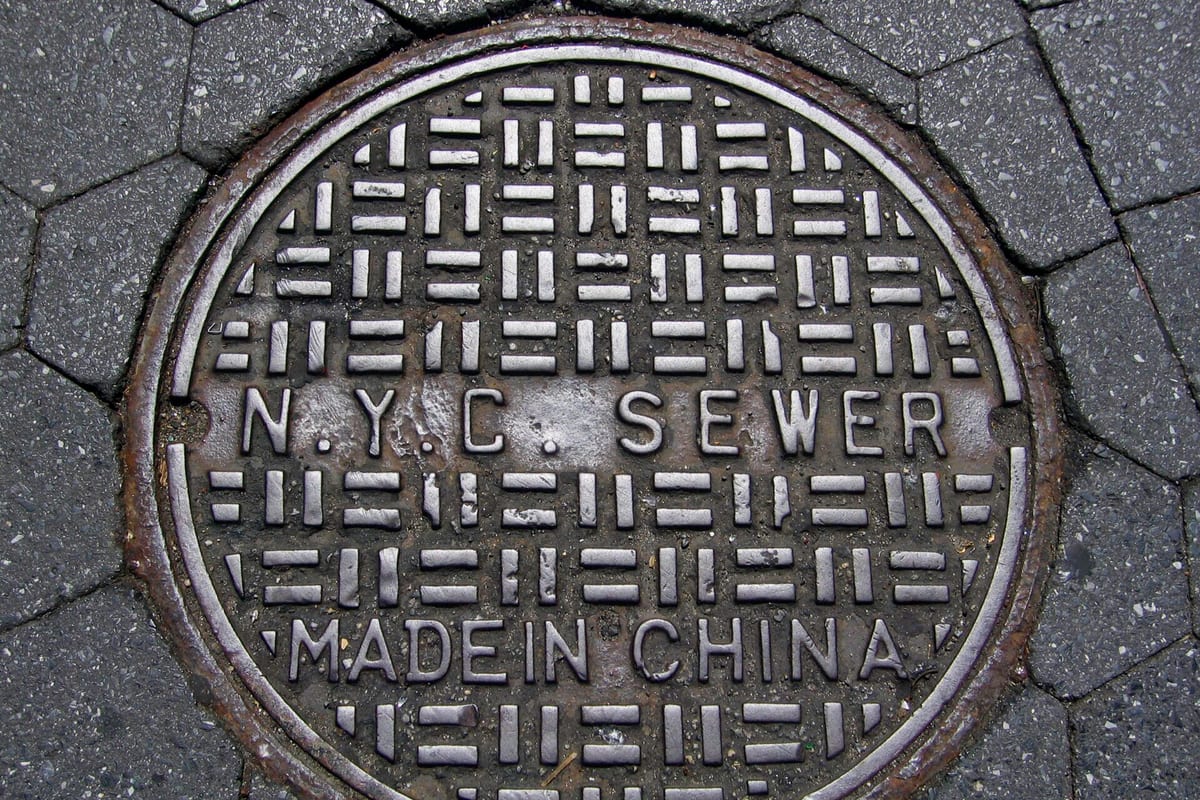
A New York City sewer cover. Photo: Dave Buchwald, CC BY-SA 3.0, via Wikimedia Commons.

What causes a sewer backup in NYC
A sewer backup happens when wastewater can't move forward through the sewer, so it reverses and comes up into buildings, usually into basements through floor drains and other fixtures. DEP's December 2024 report on sewer backups splits them into two kinds:
- Dry-weather backups come from blockages, often grease and wipes. DEP says grease in pipes caused 40% of the backups it investigated in 2023.
- Wet-weather backups happen when heavy rain overwhelms the pipes. About 60% of the city's sewer system is combined, meaning one pipe carries both sewage and stormwater. Wet-weather backups are now the majority.
DEP estimates that about 74,000 properties are vulnerable to backups in a storm of 1.75 inches of rain an hour, a storm it expects roughly once every five years. About 59,000 of them are one- or two-family homes. Not every backup is the city's fault, though: nearly 1 in 3 complaints DEP crews investigate turn out to be inside the building or in its own sewer connection.
Sewage cleanup in NYC: what's safe to do yourself
Under the IICRC S500 standard the restoration industry works from, sewage is one of the examples of Category 3 water, the grossly contaminated kind that can contain pathogens and other harmful agents. The standard says contaminated water gets cleaned up before any drying, and the EPA advises against running fans until you know the water is clean or sanitary.
The city's sewer backup and flood clean-up guide is specific:
- Wear rubber boots, waterproof gloves and goggles, and wash with soap and hot water afterward.
- Don't run electrical equipment or appliances near standing water.
- Throw out what can't be cleaned, disinfected and dried: mattresses, carpet and padding, rugs, upholstered furniture, pillows, books and most paper.
- Throw out any food the sewage touched, packaged food included.
- Disinfect hard floors with one cup of household bleach in a two-gallon bucket of hot water.
- Keep children, pets and anyone with a weakened immune system away until the cleanup is finished.
The same guide says to hire professionals for extensive damage and to get medical attention if you are hurt or become ill. An overflowing floor drain on bare concrete is one job; sewage that soaked the carpet, drywall and furniture of a finished basement is another.
Who to call after a sewer backup
- 911, if anyone is hurt or in danger.
- 311. Owners file a Sewer Backup complaint, and tenants file a Sewage Leak or Odor Indoors complaint. DEP says it will inspect within six hours of a 311 complaint, though heavy rain or snowmelt can delay that. Write down the 311 tracking number and any DEP service request number you get.
- Your landlord, super or managing agent, if you rent.
- Your insurance company. New York's Department of Financial Services calls notifying your insurer or agent the first thing to do after a loss: phone first, then follow up in writing.
- Someone to clean it up. Biohazard cleaning is one of the services GlobePro Restoration offers, so call or send a request and we will talk through what you need. For the water itself, our 24/7 water damage restoration team finds every place the water got in and dries out all the affected areas, and we work with your insurance company to make the process as smooth as possible. You can also go straight to our biohazard cleaning page.
City sewer or your pipe: who is responsible
DEP draws the line at the property. The City maintains the sewer main in the street; the owner owns and maintains the private service line that connects the building to it. If DEP's inspection finds the problem in that private line, the owner gets a Notice to Repair, and DEP says homeowners insurance or the Service Line Protection Program, if you're enrolled, may cover the repair.
Backups can also start inside the building. DEP's report warns that a downspout, sump pump, foundation drain or yard drain tied into the sewer line can force rainwater back up through a building's own pipes, even while the sewer in the street is flowing normally.
Filing a claim: the Comptroller and your insurer
These are two separate claims, and you may need both.
A claim against the City. If you believe the City caused the damage, file a notice of claim with the NYC Comptroller within 90 days. The Comptroller's FAQ says to use the Water Damage Claim Form for a sewer backup or water main break, that notices can't be filed by email, and that you may be asked for photographs, bills, invoices, estimates and insurance information. A lawsuit has to be started within 1 year and 90 days, and you must wait 30 days after filing the notice before suing. DEP adds that a backup during heavy rain doesn't need a DEP service request number for the claim.
Your own policy. DFS says standard homeowners and tenants policies exclude flooding, and that some insurers sell a water backup endorsement, for an extra premium, that covers sewer backups and sump pump failure. DEP's Rainfall Ready guidance says most standard policies don't cover sewer backups, so check whether you have that rider. DFS also wants the damage on camera before any cleanup, and damaged property kept until the claim settles. If something has to go for health reasons, photograph it first and tell your insurer.
Whether either claim pays depends on the facts and your policy wording, so take the questions to the Comptroller's office and your insurer.
Stopping the next backup
DEP's report lists fixes at very different prices:
- Fixture plugs that seal basement drains, showers and toilets when heavy rain is forecast: twist plugs for about $3 to $18 and inflatable plugs for about $40 to $140, depending on size.
- A backwater valve, a one-way flap on the building's sewer line, installed by a licensed plumber for typically $4,000 to $15,000.
- Nothing down the drain but water and toilet paper. Grease and wipes build the blockages that cause dry-weather backups.
FloodHelpNY lists a free backwater valve program for eligible owners in a set list of neighborhoods, including parts of southern Brooklyn. Our guide to flood cleanup in Brooklyn's coastal neighborhoods covers who qualifies, and water damage restoration in Queens covers that borough.
Frequently asked questions
Who pays for sewage cleanup after a sewer backup in NYC?
It depends on the cause. If the City's sewer caused it, you can file a notice of claim with the Comptroller within 90 days. If the building's own line or plumbing failed, that is the owner's responsibility, and whether your own policy pays depends on its wording, including whether it has a sewer backup endorsement.
How fast does DEP respond to a sewer backup?
DEP says it will inspect within six hours of a 311 complaint, though heavy rain or snowmelt can delay inspections.
Does homeowners insurance cover a sewer backup in New York?
Not automatically. DFS says some insurers offer a water backup endorsement for an extra premium. Check your policy or ask your agent.
Can I clean up sewage myself?
A small backup onto a hard floor can often be handled with the city's precautions: boots, gloves, goggles and a bleach solution. The city's guide says to hire professionals for extensive damage.
Does GlobePro Restoration handle sewage cleanup?
Biohazard cleaning is one of the services GlobePro Restoration offers, along with 24/7 water damage restoration. Call or send a request and we will talk through what you need.
Sewage in your home right now?
Call (929) 969-2534, 24 hours a day, 7 days a week, or send a request. GlobePro Restoration serves New York City and the surrounding areas.
More from the blog
- Basement Flooding Cleanup in Queens: What Ida Taught Woodside, Flushing and Hollis
- Oil Burner Puffback Cleanup: Soot After the Heat Kicks On
- Water Damage Restoration on Staten Island: Detached Homes, Basements and the South Shore
- The Fire Damage Restoration Process, Step by Step: From Board-Up to Smoke Odor
- Water Damage Restoration in Manhattan: Co-ops, Condos and Prewar Walk-Ups