Does Homeowners Insurance Cover Sewer Backup in New York?
Sewer backup insurance in New York is usually an add-on, not part of a standard policy. New York's Department of Financial Services (DFS) says some insurers sell a water backup endorsement that, for an extra premium, removes the sewer backup exclusion up to a dollar limit you choose, and flood damage needs a separate flood policy. If the City's sewer was at fault, there is a second route: a notice of claim with the NYC Comptroller within 90 days.
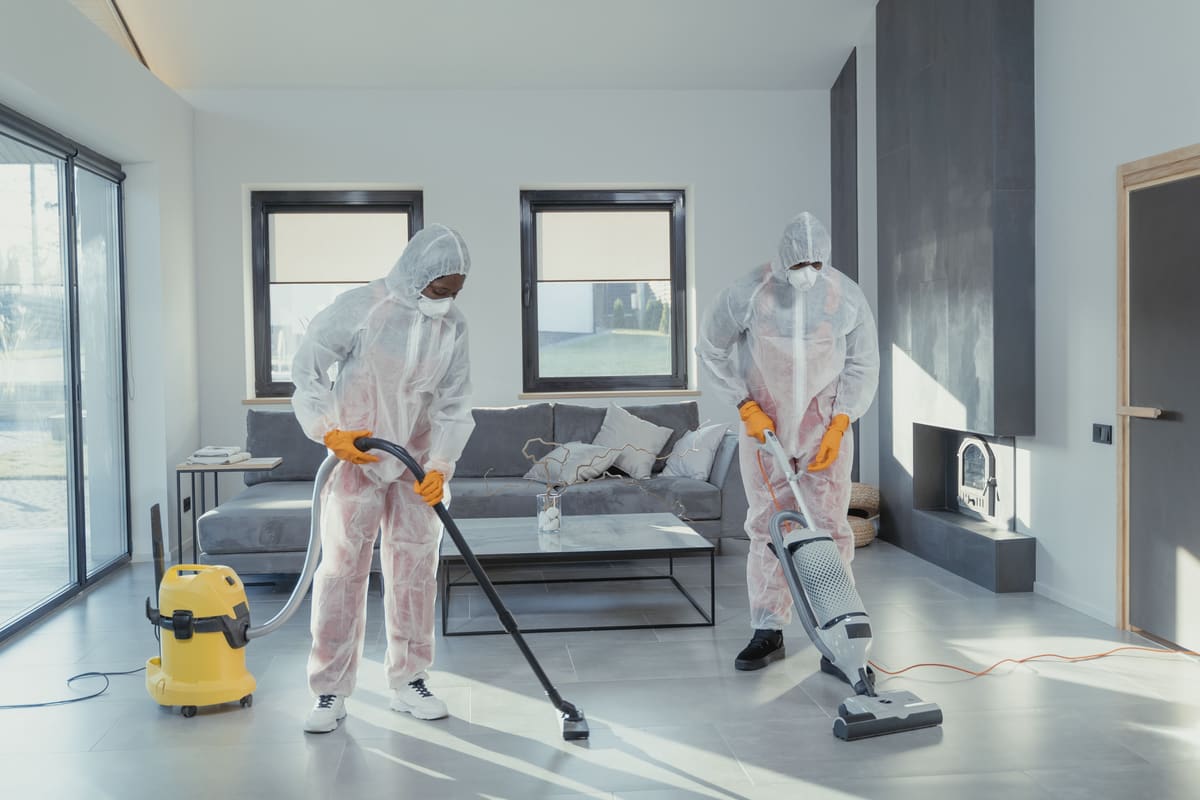
Stock photo: Tima Miroshnichenko / Pexels.
Does homeowners insurance cover sewer backup in New York?
Not on its own, in most cases. The Insurance Information Institute says sewer backups are not covered under a typical homeowners policy, nor by flood insurance, and that the coverage has to be bought as a separate product or as an endorsement.
DFS describes that endorsement on its homeowners coverage page:
- Some homeowners insurers offer an endorsement that covers sewer backups, including sump pump failure.
- For an additional premium, it removes the exclusion up to the dollar limit you select.
- The wording varies by insurer, but it generally applies to several kinds of backup, including from municipal sewer lines, toilets and sump pumps.
- If the coverage matters to you, ask whether it is available and have it added to your policy.
Renters can ask for it too. DFS lists sewer and drain back-ups among the coverages a renter may be able to add to a standard renters policy. Condo and co-op owners can ask the same question about their unit policy, and ask the board what the building's policy covers.
The limit is the number you picked, so check it against what is actually in your basement or ground floor: the boiler, the washer and dryer, the furniture, the finished walls.
Backup or flood? Why the cause decides the claim
DFS draws the line at the foundation. Homeowners insurance excludes flooding, which DFS says is generally defined as water coming in above the foundation, while a sewer or sump pump backup comes from lines below it. DFS adds that even a flood policy is unlikely to cover a sump pump failure caused by a flood, and that neither policy alone is likely to cover that damage.
Its disaster FAQ goes further: a homeowners or renters policy may cover water backup and sewage damage by endorsement, but typically excludes claims where the backup was caused by flood. Ask your insurer how your endorsement treats a backup that happens during a storm.
That question matters in New York City, where rain is now behind most backups. DEP's December 2024 sewer backup report found that wet-weather backups now make up the majority, that about 60% of the city's sewer system is combined, carrying sewage and stormwater in the same pipes, and that about 74,000 properties are vulnerable to backups at 1.75 inches of rain an hour, 59,000 of them one- or two-family homes.
Who is responsible: the City's sewer or your service line
DEP splits the pipes between the City and the owner. The City operates and maintains the sewer main in the street; the property owner owns and is responsible for the sewer service line that connects the building to it. If DEP confirms a backup came from the private line, the owner receives a Notice to Repair. DEP's 2024 report found that nearly 1 in 3 backup complaints trace to private plumbing.
When it happens:
- Report it to 311 right away, by phone or online, and give your contact information. DEP says it can't investigate without it.
- Keep your 311 tracking number and any DEP CSR number.
- DEP says it aims to inspect within 6 hours of the complaint, though heavy rain or snowmelt can cause delays.
On the insurance side, DEP says repairs to the private service line may be covered by homeowners insurance, or by DEP's Service Line Protection Program if you are enrolled.
Filing a claim against the City for a sewer backup
If you believe the City's negligence caused the damage, the claim goes to the NYC Comptroller, not DEP. The Comptroller's property damage FAQs set out the process:
- File a notice of claim within 90 days of the incident.
- File through the Comptroller's website. Notices can't be filed by email, and a sewer backup or water main break uses the Water Damage Claim Form.
- You may be asked for photographs, bills, invoices, estimates and insurance information, and you may be required to appear at a hearing.
- If the City is found responsible, the Comptroller's office may send an offer letter and a release. An offer is not an admission of liability.
- You must wait 30 days after filing before suing, and a lawsuit must be filed within 1 year and 90 days of the incident.
DEP adds that if the backup happened during heavy rain, you don't need a DEP CSR number to file. This describes the City's process, not legal advice; the Comptroller's office, or an attorney, can answer questions about a specific claim.
Cleanup comes first, and it isn't a job for fans
Sewage is a different job from a clean leak. Under the IICRC's S500 standard, sewage is one of the examples of Category 3, grossly contaminated water, and for contaminated water the standard puts cleanup before drying. The EPA says not to use fans until you have determined that the water is clean or sanitary. DEP warns that floodwater may contain sewage and germs that can infect the eyes, skin, stomach or intestines, and says to thoroughly clean and disinfect afterward.
Before anything is cleaned, DFS's advice for any claim applies: take photos or video of the damage, and save receipts for emergency work. Our water damage insurance claim guide covers the rest of the paperwork, and our guide to sewage cleanup in NYC covers the cleanup itself.
GlobePro Restoration's 24/7 water damage restoration finds every place the water got in and dries out all the affected areas, and we work with your insurance company to make the process as smooth as possible. Biohazard cleaning is also one of the services we offer. Call and we will talk through what you need.
Lowering the odds of the next backup
DEP's 2024 report puts a backwater valve, which lets wastewater flow out and blocks it from coming back in, at $4,000 to $15,000 and 2 to 8 hours to install, and names fixture plugs as a cheaper alternative. FloodHelpNY lists a free backwater valve program for eligible low-to-moderate income building owners in parts of southern Brooklyn, Lower Manhattan, Rockaway East and Howard Beach. Renters can't apply, and eligibility depends on your address, so check FloodHelpNY's site.
If you add an endorsement, keep its declarations page with your 311 records and photos, so the claim and the cause are in one place.
Frequently asked questions
Is sewer backup covered by homeowners insurance in New York?
Not by a typical policy. The Insurance Information Institute says it is excluded unless you buy an endorsement or a separate product, and DFS says some insurers offer a water backup endorsement.
What is a water backup endorsement?
An add-on to a homeowners or renters policy that, for an extra premium, removes the sewer backup exclusion up to a limit you choose. DFS says it generally applies to municipal sewer lines, toilets and sump pumps, though the wording varies by insurer.
Does flood insurance cover a sewer backup?
Generally not. The Insurance Information Institute says sewer backups aren't covered by flood insurance, and DFS says a flood policy is unlikely to cover a sump pump failure caused by a flood.
How long do I have to file a claim against NYC for a sewer backup?
90 days from the incident, filed online with the Comptroller on the Water Damage Claim Form. A lawsuit must be filed within 1 year and 90 days.
Does GlobePro Restoration work with my insurance company?
Yes. GlobePro Restoration works with your insurance company to make the process as smooth as possible.
Sewage in your home right now?
GlobePro Restoration is based in Brooklyn and serves New York City 24 hours a day. Call (929) 969-2534 or send a request.
More from the blog
- Mold Testing vs. Remediation on Long Island: Why NY Wants Two Firms
- Smoke Damage Insurance Claim in New York: What to Document Before Cleanup
- What Is Water Damage Restoration? Mitigation, Drying and Repairs Explained
- Smoke Damage Cleanup in an NYC Apartment After a Neighbor's Fire
- Water Damage Insurance Claim in New York: The Photos, Readings and Paperwork to Keep