Smoke Damage Insurance Claim in New York: What to Document Before Cleanup
A smoke damage insurance claim in New York starts the same way as any property claim: call your insurer before you clean, then put it in writing. What makes smoke different is that much of the damage is hard to see. Soot settles in closets and vents, odor sinks into mattresses and clothes, and in an apartment building the fire may not have been in your unit at all. Document all of it before cleanup starts, because once a surface is wiped, the evidence is gone.
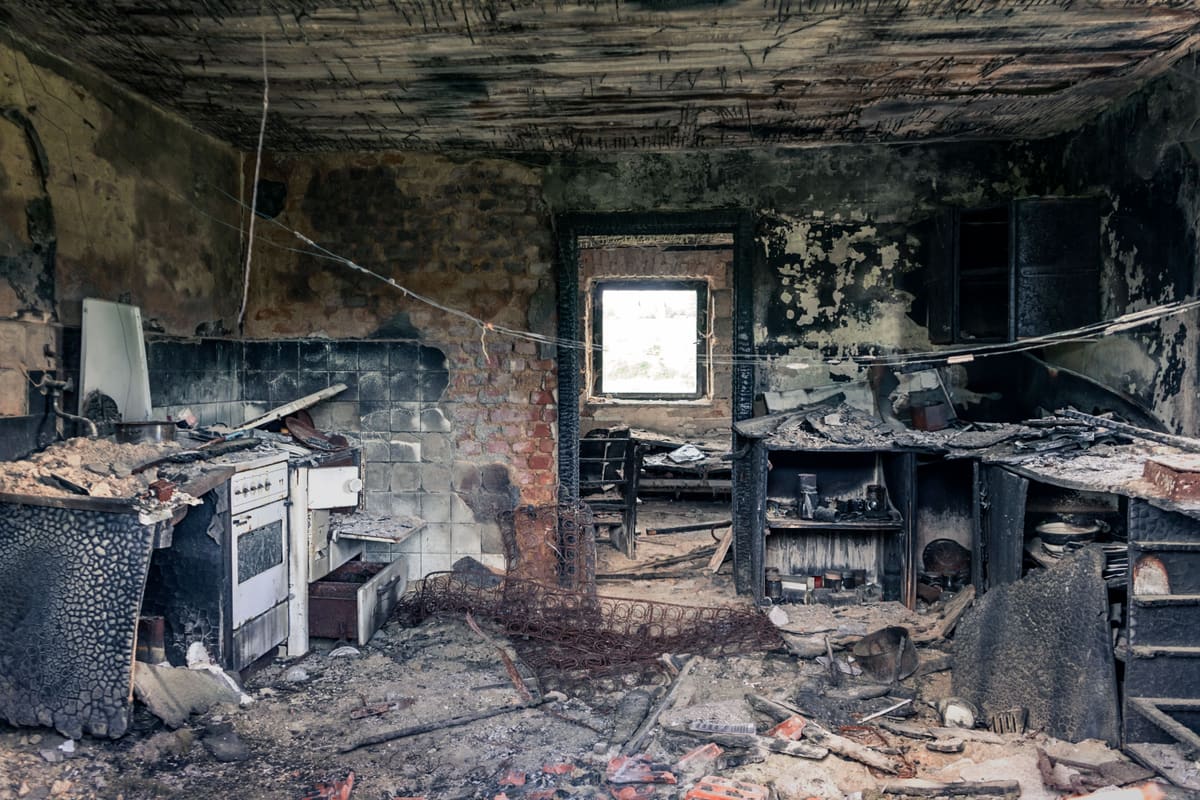
Stock photo: F. Hektor / Pexels.
Is smoke damage covered if the fire wasn't in your apartment?
Start with your own policy. In a New York building, smoke can reach your apartment from a fire next door or several floors away, through hallways, shafts and the gaps around pipes. Our post on smoke damage from a neighbor's fire covers how that happens and what it does.
Which policy pays for what depends on who owns what:
- The building. New York's Department of Financial Services (DFS) says the building owner may have insurance on the building, and it is the owner who is entitled to file a claim for fire damage to the structure.
- Your belongings, if you rent. DFS is direct about this: a landlord does not provide insurance for a tenant's personal property. Renters policies typically cover fire and smoke, and may cover living expenses if you have to stay elsewhere during repairs.
- Your home, if you own. DFS lists fire, lightning and smoke damage among the perils even a basic homeowners policy covers. Co-op and condo owners can buy their own policies for their units.
Whether a neighbor or the building owner is responsible for the fire is a separate question, so ask your insurer rather than assuming. None of this guarantees a particular claim is paid. Coverage depends on your policy's wording, so read it, and if an adjuster says something isn't covered, DFS says to ask to see the specific contract language.
What to do first: the order DFS lays out
The DFS homeowners and tenants guide and its recovery guide set out a clear order:
1. Notify your insurer first. Call your insurance company or agent, then follow up in writing and keep copies of all correspondence. 2. Keep a call log. Write down the name of each person you speak to and the date and time. After every call or adjuster visit, follow up in writing with your understanding of what was said. 3. Ask what they need. DFS suggests asking your insurer exactly which documents, forms and data it will want. 4. Prevent further damage. If windows were broken, have them boarded up. DFS says this kind of protection is generally covered. Save every receipt for temporary fixes. 5. No permanent repairs yet. DFS says no permanent repairs should be made until your insurer has inspected, and the company can refuse to pay for damage repaired before then.
Two more details are worth having. The U.S. Fire Administration's After the Fire checklist has space for the fire department's incident report number and the fire marshal's name; keep both with your claim file. And under New York's claims regulation, 11 NYCRR 216.4, an insurer has 15 business days to acknowledge a notice of claim.
What to photograph before anything is cleaned
Before any cleanup, DFS says to get photos or video of the full extent of the damage. With smoke, that means going looking for it:
- Each room, wide then close. A wide shot from the doorway, then close-ups of the ceiling, the tops of the walls and the corners, where soot collects.
- Around openings. Outlets, light fixtures, smoke detectors, heating vents, radiator covers and window air conditioners. Soot often outlines these.
- Inside closed spaces. Open closets, drawers and kitchen cabinets. Smoke gets into them, and the residue on folded clothes or stacked dishes is easy to miss later.
- Soft things. Mattresses, sofas, rugs, curtains and clothes. Smoke odor can sit in them even when they look clean.
- The path in. If the fire was elsewhere, photograph the hallway, your door, and any stains around pipes or ceiling vents where smoke came through.
- Water. Firefighting water from above can soak ceilings and floors. If that is part of your loss, our guide to water damage insurance claims in New York covers what adjusters ask for.
Light soot can disappear on camera. A plain white cloth or tissue wiped across a surface, photographed next to the spot, can show residue the photo of the wall doesn't. Odor can't be photographed at all, so write it down: which rooms, which items, how strong, and the date.
What not to throw out
DFS says to keep all damaged personal property until an insurance settlement has been reached. That cuts against the instinct to clear out the smoky stuff, but it matters. Bag it, label it by room, and store it if you must, but don't send it to the curb before the claim is settled.
Then build the contents list. DFS asks for a detailed room-by-room inventory of damaged items, with receipts, credit card statements or other documents that show value. A few points from its guide are worth knowing before you start:
- Actual cash value is common. Contents coverage is usually issued on an actual cash value basis, meaning replacement cost minus depreciation, unless you bought a replacement cost endorsement.
- Depreciation has no set formula. Different insurers may calculate it differently.
- Receipts change the outcome. Without receipts, DFS says insurers generally reimburse actual cash value.
- The burden is yours. It is, in DFS's words, "up to you to prove your loss."
Video helps. DFS's tip for home inventory videos applies here too: open the drawers and doors, and describe major items out loud as you record.
Documenting soot and odor in porous items
Smoke claims tend to turn on the things that look fine. A sofa, a rug, a bag of winter coats or a shelf of books may show no soot and still smell of fire. The U.S. Fire Administration notes that things not damaged by the fire may still be ruined by smoke, and that anything you want to save will need careful cleaning.
That raises the cleaning question early: what can be cleaned and what has to be replaced. The fire administration suggests making sure you know whether you or your insurer will pay for cleaning, and getting the cost estimate in writing. Put the items you think are lost on the inventory with a note on why, such as smoke odor that remained after washing.
When the documenting is done, GlobePro Restoration can handle the cleanup: removing damaged items, clearing the area, and getting rid of the soot and the smoke odor. We can also keep in contact with your insurance company to ease the burden. If you are ready to start, our fire and smoke damage restoration service covers New York City, 24/7, from Brooklyn. For the whole sequence of a fire job, read the fire damage restoration process.
When you and the insurer disagree
DFS lays out several routes if the numbers don't match:
- Go line by line. If the dispute is over the amount, DFS suggests a sit-down with your contractor and the adjuster to go over the estimate line by line, and a second opinion from an independent contractor. You can get your own contractor's estimate to compare with the insurer's.
- Appraisal. Every homeowner, tenant, co-op and condo policy issued in New York has an appraisal provision: you and the insurer each choose an appraiser, and the two choose an umpire. DFS notes appraisal can't settle a dispute about what caused the damage.
- Public adjusters. DFS licenses public adjusters, who represent you, not the insurer. You pay them, usually a percentage of the recovery, and by law the fee can't be higher than 12.5%. You can cancel the agreement without penalty until midnight of the third business day after signing, and they may not solicit your business between 6 pm and 8 am.
- A complaint. If you believe you are not being treated fairly, DFS takes complaints at dfs.ny.gov.
Living elsewhere while the smoke is cleaned
If your insurer determines your home is uninhabitable because of a covered loss, DFS says homeowner and tenant policies generally reimburse the increase in your living costs: hotel and restaurant bills, for example. It covers the difference between your normal expenses and the extra ones, not all of them, so keep every receipt. If you have nowhere to go tonight, the U.S. Fire Administration points to the American Red Cross for food, clothing and a place to stay.
Frequently asked questions
Does homeowners insurance cover smoke damage in New York?
Smoke damage is a listed peril even in a basic homeowners policy, according to DFS, and renters policies typically cover fire and smoke. Whether a particular loss is paid depends on your policy's wording, limits and deductible.
Should I clean before the adjuster comes?
Only what stops further damage. Photograph everything first, save receipts for temporary fixes, and hold permanent repairs until your insurer has inspected. DFS says the company can refuse to pay for damage repaired before inspection.
Can I choose my own restoration company?
DFS says you can get an estimate from your own contractor to compare with the insurer's. Before cleaning starts, confirm with your insurer who is paying and get the estimate in writing.
Do I need a public adjuster for a smoke claim?
Many people settle directly with their insurer. DFS suggests considering an attorney or a licensed public adjuster for a major loss where negotiations reach an impasse, and caps a public adjuster's fee at 12.5% of the recovery.
Will GlobePro Restoration talk to my insurance company?
Yes. GlobePro Restoration can keep in contact with your insurance company during a fire job to ease the burden. The claim is still yours, so keep your own records and copies.
Smoke damage and a claim to file?
Call (929) 969-2534, 24 hours a day, 7 days a week, or send a request.
More from the blog
- Mold Testing vs. Remediation on Long Island: Why NY Wants Two Firms
- What Is Water Damage Restoration? Mitigation, Drying and Repairs Explained
- Smoke Damage Cleanup in an NYC Apartment After a Neighbor's Fire
- Does Homeowners Insurance Cover Sewer Backup in New York?
- Water Damage Insurance Claim in New York: The Photos, Readings and Paperwork to Keep