E-Bike Battery Fires in NYC: Smoke Damage Cleanup and What to Do After
E-bike and other lithium-ion battery fires in NYC are climbing again. By July 22, 2026, the FDNY had investigated 235 lithium-ion battery fires that year, against 138 at the same point in 2025, amNY reported. If one starts in your home, get out, close the doors behind you and call 911 once you are safe. After the FDNY lets you back in, the cleanup has its own rules: the battery never goes in the trash, food that sat in the smoke gets thrown out, and soot and firefighting water have to be dealt with before anything is painted or replaced.
GlobePro Restoration is a 24/7 restoration company based in Brooklyn, cleaning up after fire and smoke across New York City. Here is what to know about these fires and what to do after one.
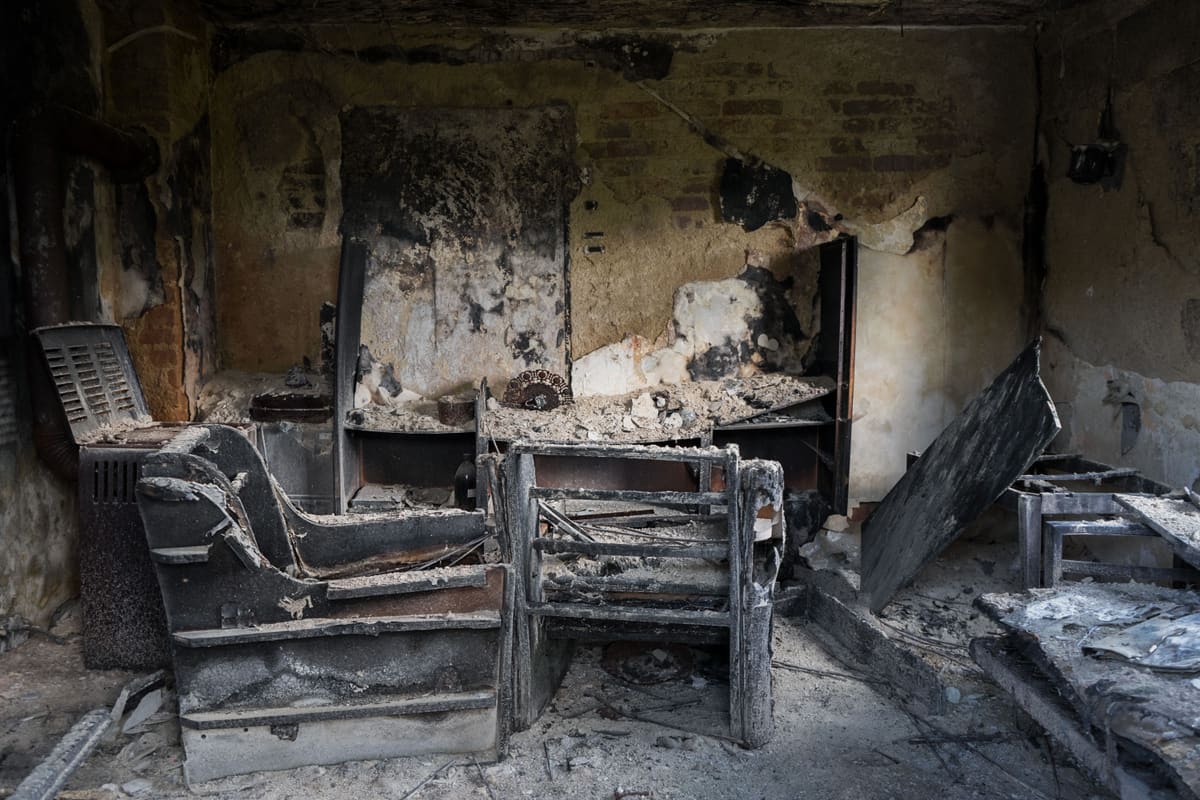
Stock photo: F. Hektor / Pexels.
E-bike battery fires in NYC: the numbers
The FDNY tracks fires started by lithium-ion batteries, the power source in e-bikes and e-scooters:
- 2023: 268 fires and 18 deaths.
- 2024: 277 fires and 6 deaths.
- 2025: 1 death as of December 16, according to the FDNY's year-end report.
- 2026: 235 fires by July 22, compared with 138 a year earlier, according to amNY.
The first death of 2026 followed a June 26 fire in a basement apartment in a Queens house, where, the FDNY said, a lithium-ion battery had been charging in the kitchen. According to amNY, FDNY First Deputy Commissioner Daniel Flynn said he believes many of these fires involve batteries nearing the end of their useful life.
The FDNY's advice is short: where possible, charge and store batteries and devices outside, don't charge them overnight, and never let one block an exit.
The city also regulates what can be sold. Under Local Law 39 of 2023, in effect since September 2023, no one may sell, lease or rent an e-bike whose electrical system isn't certified to UL 2849, an e-scooter not certified to UL 2272, or a battery for either not certified to UL 2271. The law covers sales and rentals, not batteries people already own. Before you buy, look for the certification or the testing lab's logo on the box, the paperwork or the battery itself.
Why a battery fire spreads smoke so fast
These fires don't build slowly. In 2022, UL's Fire Safety Research Institute deliberately forced e-scooter batteries into failure to study them. Burning in the open, a scooter reached its peak heat output in 13 seconds, where an upholstered chair typically takes 2 to 3 minutes. In a closed bedroom, the jump in pressure broke the windows about 12 seconds after the scooter first showed smoke, and the room reached flashover within 30 seconds of that.
That speed shapes the cleanup. Smoke and soot can reach rooms well beyond the one where the battery failed. The things that burn in a modern apartment, such as plastic, foam and synthetic fabric, tend to leave oily soot that smears when it is wiped. And firefighting adds water, which in an apartment building can run down into the units below. If that is your apartment, read water leaking from the apartment upstairs.
What to throw away after an e-bike battery fire
Most damaged belongings should wait for your insurer, but two things should not stay in the home.
The battery, and anything left of it. DSNY says it is dangerous and illegal to put rechargeable or lithium-ion batteries in the trash or recycling. Intact ones can go to a store that sells rechargeable batteries (DSNY says New York State requires those stores to accept them), a Special Waste Drop-Off site or a SAFE Disposal event, bagged one by one or with the ends taped. A burned or swollen battery is a damaged one. For those, the state's Division of Homeland Security and Emergency Services points to Call2Recycle's kits for safely managing damaged, defective or recalled batteries, and sends city residents to nyc.gov/batteries.
Food that sat in the smoke. The USDA's Food Safety and Inspection Service warns that toxic fumes from burning materials can contaminate food. Throw out anything in cardboard or plastic wrap, fruit and vegetables that were sitting out, and food in a refrigerator that was in the smoke, since the door seal isn't airtight. Cans and jars that were close to the heat may be unsafe too, because heat can activate spoilage bacteria.
Everything else, not yet. DFS says your insurer has the right to inspect property in its damaged condition. Photograph and list damaged furniture, clothing and electronics before anything goes to the curb.
How cleanup works after a battery fire
Once the FDNY lets you back in, the order is the same as after any house fire: secure the home, tell your insurer, dry the water, clean the soot from the ceiling down, then deal with the odor and the contents. Our step-by-step guide to the fire damage restoration process walks through each stage.
GlobePro Restoration's fire and smoke damage restoration covers that cleanup: we remove the damaged items, clear the area, and get rid of the soot and the smoke odor. We can also keep in contact with your insurance company to ease the burden. Call (929) 969-2534 at any hour and tell us what burned and how far the smoke went.
Renters, landlords and battery fires
If you rent, two kinds of insurance are in play. DFS says the building owner may have insurance on the building, and that a landlord's insurance doesn't cover a tenant's belongings. Renters insurance typically covers fire and smoke damage, and may pay living expenses if you have to stay somewhere else during repairs. Read your own policy's wording and ask your insurer how it handles your claim, rather than assuming.
If the fire forced you out of your home, the American Red Cross and HPD's Emergency Housing Services unit help households displaced by fires.
Frequently asked questions
How many e-bike battery fires are there in NYC?
The FDNY counted 268 lithium-ion battery fires in 2023 and 277 in 2024. In 2026 the count reached 235 by July 22, up from 138 at the same point in 2025, according to amNY.
Is it legal to sell an uncertified e-bike battery in NYC?
No. Local Law 39 of 2023 bars selling, leasing or renting e-bikes, e-scooters and their batteries unless they are certified to the matching UL safety standard: UL 2849, UL 2272 or UL 2271.
Can I throw a burned e-bike battery in the trash?
No. DSNY says putting rechargeable or lithium-ion batteries in the trash or recycling is dangerous and illegal. For a damaged battery, start at nyc.gov/batteries, where the state sends city residents.
Does renters insurance cover an e-bike battery fire?
DFS says renters policies typically cover fire and smoke damage, but each policy has its own wording and exclusions. Call your insurer, and photograph the damage before anything is cleaned or thrown out.
Where should I charge an e-bike battery?
Outside where possible, according to the FDNY. Don't charge it overnight, and don't keep it anywhere it could block your way out.
After a battery fire
GlobePro Restoration is open 24 hours a day, 7 days a week. Call (929) 969-2534 or send a request.
More from the blog
- Mold Testing vs. Remediation on Long Island: Why NY Wants Two Firms
- Smoke Damage Insurance Claim in New York: What to Document Before Cleanup
- What Is Water Damage Restoration? Mitigation, Drying and Repairs Explained
- Smoke Damage Cleanup in an NYC Apartment After a Neighbor's Fire
- Does Homeowners Insurance Cover Sewer Backup in New York?