Water Damage Smell: What Causes It and How to Get Rid of It
A water damage smell, the musty, closed-up odor that hangs around after a leak, almost always means something is still wet. The EPA says no type of mold grows without water or moisture, and a moldy smell with no visible source is one of the reasons it gives to suspect mold hiding in a wall, under a carpet or above a ceiling. Getting rid of the smell means finding what's still holding water, drying or removing it, and fixing the leak. Covering the odor doesn't touch the cause.
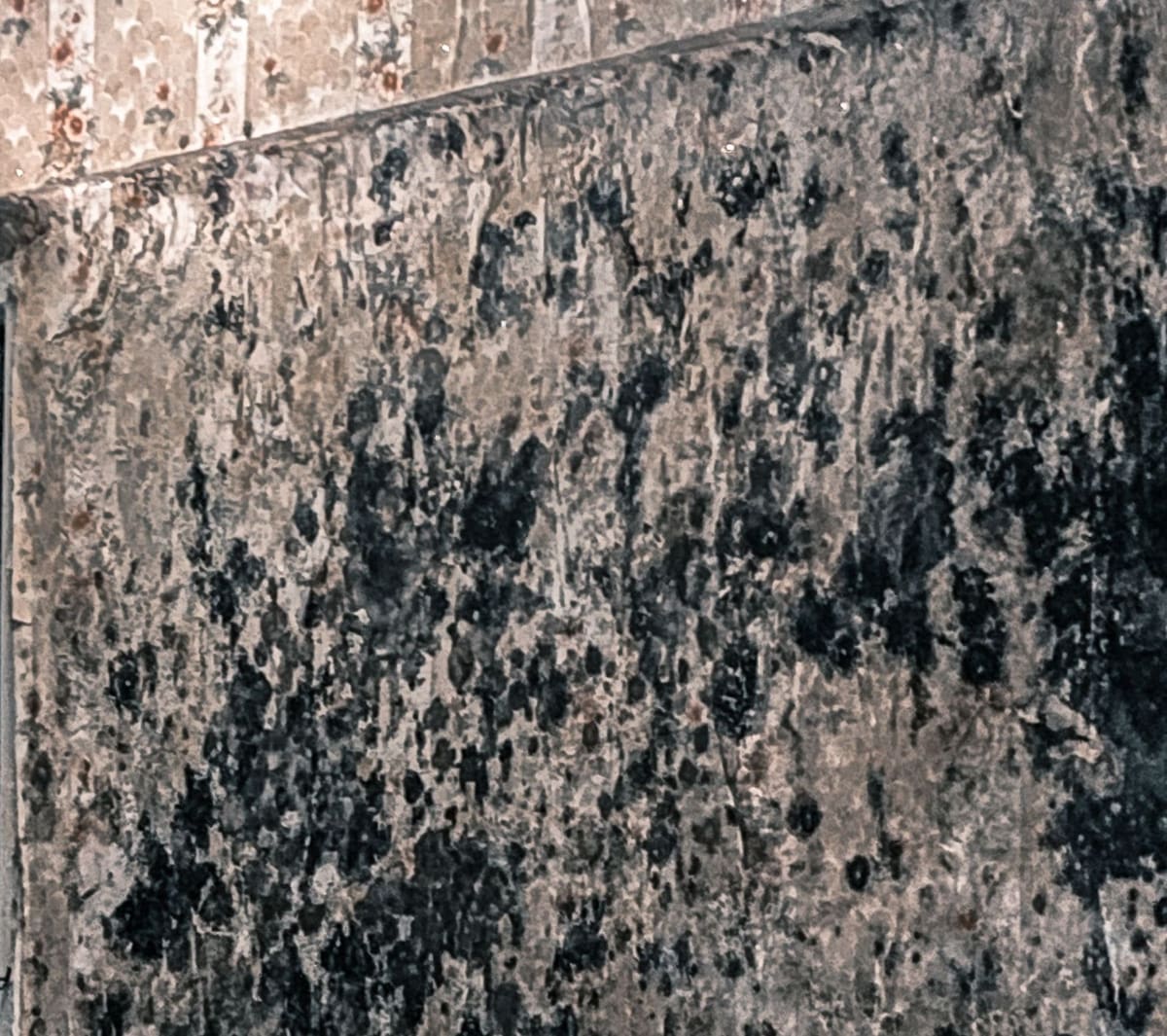
Stock photo: Alexander Popovkin / Pexels.
What causes a water damage smell
The smell tells you something about the source.
- Musty or earthy. Damp porous material: drywall, carpet pad, wood, insulation, the cardboard boxes in a basement. The EPA's mold guidance says that in most cases mold will not grow if wet or damp items are dried within 24 to 48 hours, so a smell that arrives days after a leak often means that window was missed somewhere.
- Sewage. That points to a drain, not a leak. A backed-up toilet or floor drain, or a cracked waste pipe, is a contaminated-water job; see our guide to toilet overflow cleanup.
- Gas. Not a water problem at all. Con Edison's advice is to leave the area immediately and call 911 once you're safe.
The smell can also come and go. A closet that only smells musty on humid summer days, or a room that starts to smell once the radiators come on in heat season (October 1 to May 31, per HPD), is often telling you when the source gets wet.
Water damage smell in the house: where to look
Follow your nose to the strongest spot, then check what's above it, behind it and below it. The EPA's guide to mold and moisture lists places where hidden mold can grow: the back side of drywall, wallpaper or paneling, the top side of ceiling tiles, the underside of carpets and pads, inside walls around leaking or condensing pipes, on walls behind furniture where condensation forms, and inside ductwork.
In a New York City home, that usually means:
- Under the kitchen sink and behind the dishwasher, where a slow drip can run for months.
- A closet that shares a wall with a bathroom, or the wall behind a tub.
- Below a radiator, where a leaking valve can wet the floor a little at a time.
- The ceiling under an upstairs bathroom, in apartments and in two-family houses.
- Basement walls and anything stored against them in a rowhouse or brownstone.
If you rent, the EPA's advice is to report plumbing leaks and moisture problems to the building owner, manager or super right away. Don't start opening walls yourself if you suspect mold: the EPA warns that peeling back wallpaper with mold behind it can release a massive amount of spores. Our guide to the signs of hidden water damage covers the other clues worth checking first.
Water damage smell in the bathroom
Bathrooms smell for a few specific reasons.
- A dry drain trap. A sink, tub or floor drain that hasn't been used in weeks can lose the water in its trap, which normally blocks sewer gas. Running water into it for a minute usually fixes that smell.
- The seal under the toilet. When the seal between the toilet and the floor fails, a little water can escape with each flush. Signs include a smell at the base, a toilet that rocks, and a stain on the ceiling below.
- Grout and caulk around the tub. Cracks let shower water into the wall. The smell often shows up in the closet or room on the other side.
- Not enough ventilation. The EPA suggests running the bathroom fan or opening the window when you shower.
How to get rid of a water damage smell
Water damage smell removal works in this order: stop the water, find what's wet, dry it or take it out.
1. Fix the leak. Until the source stops, nothing else lasts. Call the plumber or the super. 2. Find the wet material. Look for stains, soft spots and bubbling paint around the strongest smell. A moisture meter can confirm what your hands can't. 3. Dry it fast. The EPA's guidance says carpet and pad have to be pulled up off the floor to dry, and that the cavity inside a wall is the hardest area to dry. It also recommends keeping indoor humidity below 60 percent, ideally 30 to 50, which you can check with an inexpensive humidity meter from a hardware store. 4. Remove what can't be saved. The EPA says porous materials such as ceiling tiles and carpet may have to be thrown away if they become moldy.
What doesn't work is covering it up. Air fresheners only mask it. The EPA says that at concentrations within public health standards, ozone "is not effective at removing many odor-causing chemicals" and does not effectively remove mold or other biological pollutants, and that inhaled ozone can damage the lungs. It also advises against painting or caulking over moldy surfaces, and says bleach is not recommended as a routine part of mold cleanup. Killing mold isn't enough anyway: dead mold may still cause allergic reactions in some people, so it has to be removed.
GlobePro Restoration's part is the water. We find every place the water got in and dry out all the affected areas, and we work with your insurance company to make the process as smooth as possible. If a leak is behind the smell, our water damage restoration service is available 24/7 at (929) 969-2534.
When the smell means mold: New York's 10-square-foot rule
A musty smell doesn't always mean mold, and the mere presence of mold doesn't require anyone to hire an assessor, according to the state Department of Labor. Size is what changes the rules:
- Over 10 square feet, a license is required. In New York State, mold assessment or remediation of an area greater than 10 square feet is a "mold project," and businesses doing that work need a Department of Labor license.
- Two separate companies. No licensee may do both the assessment and the remediation on the same project.
- Homeowners are exempt when they do the work on their own property.
- Buildings with 10 or more units. HPD says owners must hire a state-licensed mold assessor and a state-licensed remediator, independent of each other, whenever there is more than 10 square feet of mold.
- Buildings with 3 or more units. Under Local Law 55, owners must inspect units for mold every year and fix the leak or moisture condition behind it. If your landlord doesn't, file a complaint online or call 311.
DOL keeps a search tool where you can check whether a mold contractor holds a license.
Frequently asked questions
Will a water damage smell go away on its own?
Not while something is still wet. It may fade on dry days and return on humid ones, because the source is still there.
Does a musty smell always mean mold?
No. Damp materials can smell musty before anything is visible. The EPA treats a moldy smell with no visible source as a reason to suspect hidden mold, not proof of it.
Can an ozone machine get rid of a water damage smell?
The EPA says that at concentrations within public health standards, ozone is not effective at removing many odor-causing chemicals and doesn't effectively remove mold, and that it can damage the lungs when inhaled.
My apartment smells musty and the landlord won't fix the leak. What can I do?
Report it to the owner, manager or super in writing. In a building with three or more units, Local Law 55 requires the owner to fix mold and the moisture behind it; if they don't, file a complaint online or call 311.
How long after a leak does the smell start?
There's no fixed time, but the EPA's 24-to-48-hour drying window is the one to beat: in most cases, mold will not grow if wet items are dried within it.
Still smelling it after a leak?
Call (929) 969-2534, day or night, or send a request. GlobePro Restoration is a 24/7 restoration company based in Brooklyn, serving New York City.
More from the blog
- Water Damage Restoration in Manhattan: Co-ops, Condos and Prewar Walk-Ups
- Water Leak From the Upstairs Apartment in NYC: First Steps and Who Pays
- Flood Cleanup in Brooklyn's Coastal Neighborhoods, 14 Years After Sandy
- Water Damage Restoration in Queens, NY: Basements, Attached Homes and Flash Floods
- Steam Pipe Burst or Radiator Leak in Your NYC Apartment: What to Do When the Heat Comes On