Nor'easter Preparation for NYC Homes and Buildings: A Checklist
Nor'easter preparation in New York City comes down to the places water gets in: roof drains and gutters, the catch basin at the curb, the basement's drains and backwater valve, and the windows that face the wind. The National Weather Service says nor'easters can strike any time of year but are most frequent and most violent between September and April, and that they nearly always bring heavy rain or snow and gale-force winds, sometimes with coastal flooding. Work through the checklist below before the first big storm, not the night the watch goes up.
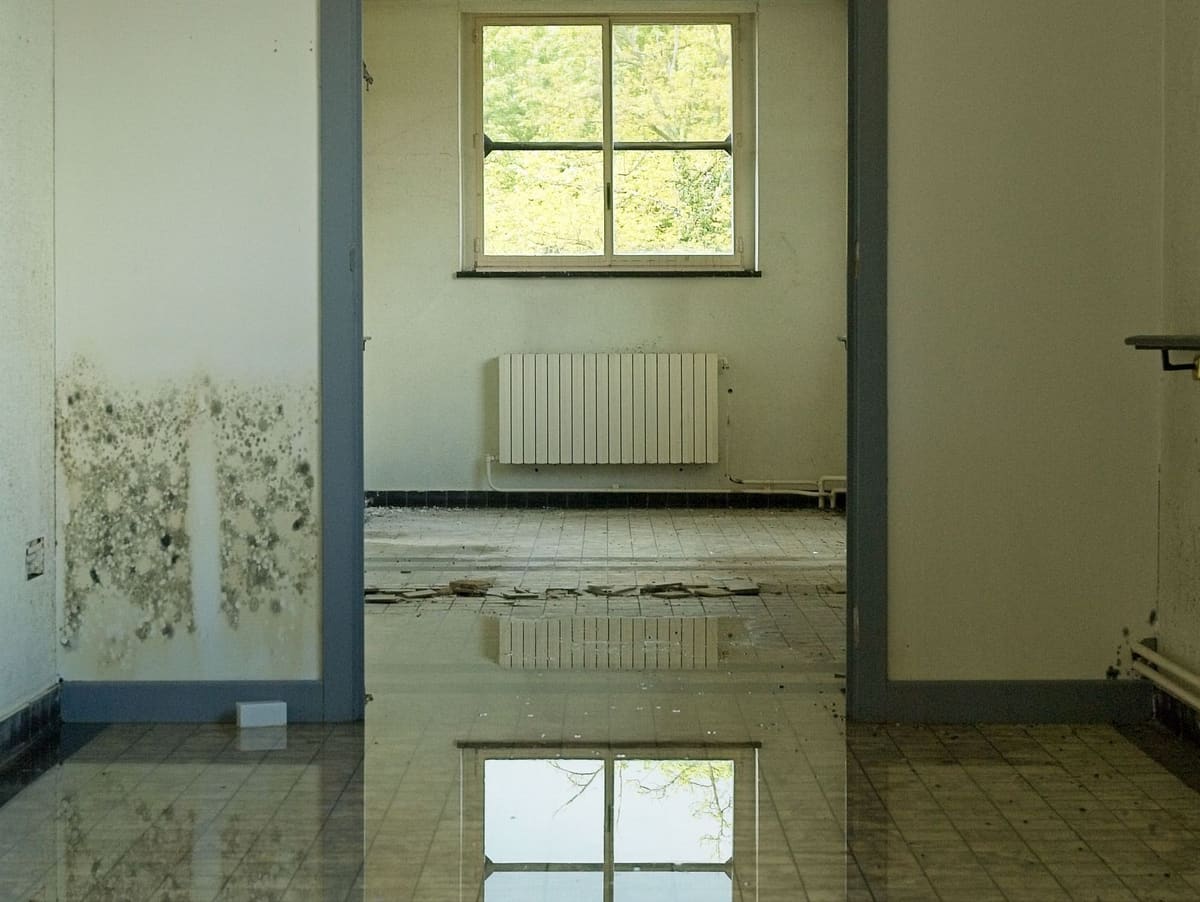
Stock photo: Emmanuel Codden / Pexels.
When is nor'easter season in New York City?
The name comes from the wind. The NWS says these storms are named for the northeast winds they bring over the coast, and that the heavily populated corridor from Washington through Philadelphia and New York to Boston is especially hit by them. When conditions look right, forecasters issue winter storm, blizzard, high wind and coastal flood watches, then upgrade them to warnings when the worst is close.
NYC Emergency Management explains the coastal flood alerts this way: a Coastal Flood Watch means coastal flooding is possible within 12 to 36 hours, and a Coastal Flood Warning means it is happening, imminent or expected within 12 hours.
This season has already started. On September 25, 2026, Governor Hochul declared a state of emergency covering the counties of all five boroughs, plus Nassau, Suffolk and Westchester, for a coastal storm her office also called a nor'easter. The release warned of strong winds, rain and coastal flooding in New York City through that Sunday and a Coastal Flood Warning for the city, and said the storm's gusts could reach 60 mph.
Before the storm: a nor'easter preparation checklist
Most of this takes an afternoon. Do it in October, and again after the leaves come down.
On the roof and outside
- Clear gutters and roof drains. NYC Emergency Management's winter guidance says to clean out gutters, repair roof leaks and remove leaves and debris from roof drains, and that flat roofs need special attention. Flat roofs are common on rowhouses and walk-ups, and a clogged drain on one can turn the roof into a pond.
- Clear the catch basin at your curb. DEP asks residents to clear debris from the curb line and the top of catch basins so stormwater can reach the sewer. Report a clogged catch basin to 311.
- Bring in or tie down anything loose. Garbage cans, patio furniture, planters and tools can become projectiles in high wind, according to NYC Emergency Management.
- Seal the windows and doors that face the wind. The city's winter guidance includes caulking and weather-stripping doors and windows. Nor'easter rain often arrives sideways.
In the basement
- Check where your downspouts and sump pump drain. In its sewer backup report, DEP says nearly one in three sewer backups come from issues in a building's own plumbing, and that rooftop downspouts, sump pumps and foundation drainpipes should not be connected to the sewer line.
- Test the sump pump. Pour a bucket of water into the pit and make sure the pump starts and the water leaves.
- Service the backwater valve, if you have one. DEP says a backwater valve needs routine maintenance to clean it out and test its flap, and that an unmaintained valve can fail in a storm. While the flap is closed, water from your own sinks, showers, dishwasher and toilets has nowhere to go, so using them can flood the basement from inside. In a multi-family house, every household has to know that. DEP calls temporary fixture plugs a simpler, cost-effective alternative.
- Move things up. DEP's storm guidance is to elevate belongings in the basement, and for owners of larger buildings to encourage tenants to remove items from below-ground levels.
Paperwork and alerts
- Photograph every room and list what's in it. NYC Emergency Management recommends an itemized list of personal property, including furnishings, clothing and valuables. Photos taken before the storm show what the rooms looked like.
- Read your policy for the word "flood." NYC Emergency Management says flood losses aren't covered under basic property insurance policies, and that homeowners, renters and business owners are all eligible for flood insurance. DFS says flood damage is typically covered only by flood insurance from the National Flood Insurance Program.
- Know your evacuation zone. Check maps.nyc.gov/hurricane or call 311. The city says basement and below-grade apartments can flood even outside an evacuation zone.
- Sign up for Notify NYC, the city's free emergency alerts, at NYC.gov/notifynyc or through 311.
- Stock up. The NWS suggests three days of food, water and other supplies, and planning for the power to go out.
During the storm: where the water gets in
A nor'easter can bring water from three directions at once.
- Sideways. Wind-driven rain can push through window frames, brick joints, roof flashing and the bottom of doors on the side of the building facing the wind.
- From the sea. NYC Emergency Management describes coastal flooding as ocean water driven inland by intense offshore low-pressure systems.
- From below. DEP says wet-weather sewer backups, caused by rain heavier than the pipes can carry, are now the majority of backups.
Stay safe while it happens. NYC Emergency Management warns that six inches of moving water can knock a person over, and the NWS says never to drive into flood water. If you live in a basement apartment, the city's advice is to be ready to move to a higher floor during heavy rain. If your backwater valve has closed, hold off on running water.
After the storm: nor'easter flooding in NYC, step by step
1. Check for danger first. NYC Emergency Management says not to touch electrical equipment unless it is in a dry area, and to stay away from downed wires. If a basement or cellar is flooded, it says to pump the water out slowly, because pumping too fast can cause serious structural damage. 2. Report a sewer backup to 311. DEP's target is an inspection within six hours of the complaint, although heavy rainfall or large snowmelts can delay it, which is the kind of weather a nor'easter brings. The sewer service line from the building to the main in the street is the property owner's to maintain. 3. Photograph before you clean. The state Department of Financial Services' storm recovery guide says to document the damage in photos or video before cleanup, limit work to the repairs that prevent further damage, keep your receipts, and wait for the insurer's inspection before permanent repairs. 4. Figure out what kind of water it is. In a 2026 position statement, the IICRC said wind-driven rain and other weather water are not automatically Category 3. Its examples of Category 3, grossly contaminated water can include sewage, seawater flooding and rising water from rivers or streams, and contaminated water gets cleaned up before it is dried. Rain through a window is usually a different job from storm surge or a sewer backup. Until you know the water is clean or sanitary, the EPA says to leave the fans off. 5. Dry it fast. In most cases, the EPA says, mold won't grow on wet items that are dried within 24 to 48 hours. The city's flood guidance is to remove wet, porous materials and use dehumidifiers. For walls, our guide to deciding whether wet drywall has to come out goes through it wall by wall. 6. If you think the City is at fault, for example in a sewer backup, the NYC Comptroller says a notice of claim must be filed within 90 days, through the Comptroller's website and not by email, using the Water Damage Claim Form.
GlobePro Restoration, based in Brooklyn, answers around the clock, and water from heavy rain needs attention as quickly as a burst pipe. Our part is finding every place the storm water got in and drying it all, with repairs starting once everything is dry. If a storm has already put water in your home or building, our 24/7 water damage restoration covers New York City, and we work with your insurer to keep the process as smooth as possible. Running a store, office or restaurant? Our guide to commercial water damage restoration covers the business side.
Frequently asked questions
When is nor'easter season in NYC?
The National Weather Service says nor'easters can happen any time of year, but they are most frequent and most violent between September and April.
How long do nor'easters last?
It varies by storm. The governor's office expected the late-September 2026 storm to bring wind, rain and coastal flooding to New York City from a Friday through that Sunday.
Does homeowners insurance cover nor'easter flooding?
Usually not the flooding itself. NYC Emergency Management says basic property policies don't cover flood losses, and DFS says flood damage is typically covered only by NFIP flood insurance. What your policy covers for wind or rain damage depends on its wording, so ask your insurer.
Do I need a backwater valve?
Not every building is a good fit. DEP says backwater valves need regular maintenance and can cause backups if they are misused, and that fixture plugs may be the best defense for many at-risk homes.
Does GlobePro Restoration work with insurance after a storm?
Yes. We work with your insurance company to keep things as smooth as possible. Flood coverage, if you have it, is usually a separate policy, so check both.
Water in after the storm?
Call (929) 969-2534 around the clock, or send a request once you are safe. Our services page lists everything else we handle.
More from the blog
- Water Damage Restoration in Manhattan: Co-ops, Condos and Prewar Walk-Ups
- Water Leak From the Upstairs Apartment in NYC: First Steps and Who Pays
- Flood Cleanup in Brooklyn's Coastal Neighborhoods, 14 Years After Sandy
- Water Damage Restoration in Queens, NY: Basements, Attached Homes and Flash Floods
- Steam Pipe Burst or Radiator Leak in Your NYC Apartment: What to Do When the Heat Comes On